Located
Kagina Business Bay,Thika,Along GarissaRoad,Opposite New Paleah Millers
Work Hours
Monday to Friday: 7AM - 7PM
Weekend: 10AM - 5PM
Located
Kagina Business Bay,Thika,Along GarissaRoad,Opposite New Paleah Millers
Work Hours
Monday to Friday: 7AM - 7PM
Weekend: 10AM - 5PM
 Byadmin
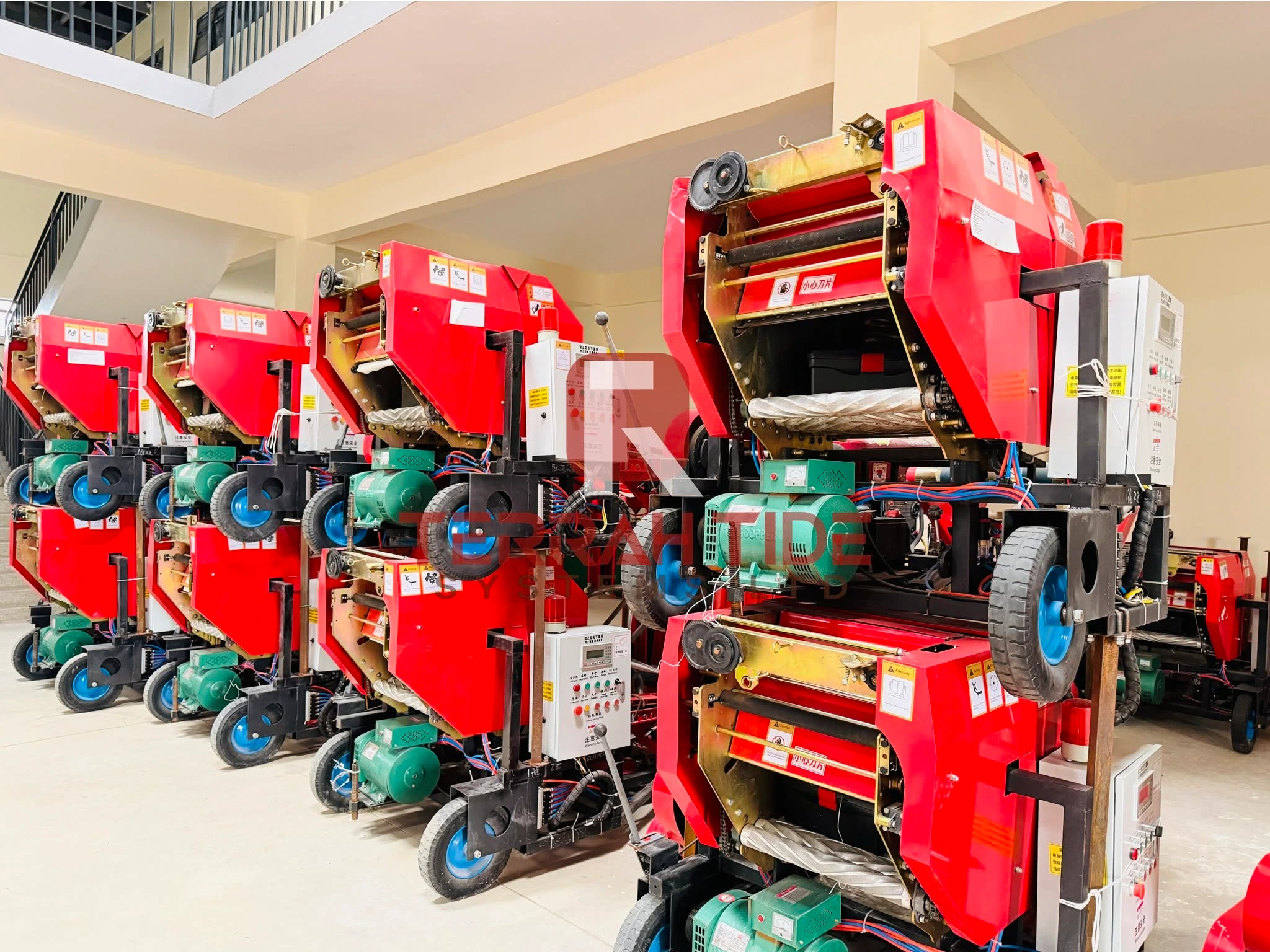
Feed availability is one of the most important considerations for livestock farmers in Kenya. During periods of abundant forage, farmers need an efficient way to harvest, preserve and store feed for future use. This is where a silage baler can make a significant difference.
A silage baler is agricultural machinery designed to collect, compress and package chopped forage into compact bales that can be wrapped and stored for fermentation.
With increasing interest in silage production among Kenyan dairy and livestock farmers, choosing the right machine requires careful consideration of capacity, engine specifications, farm size, after-sales support and availability of spare parts.
At Terrah Tide Systems Ltd, we supply agricultural machinery and equipment designed to support modern farming operations in Kenya.
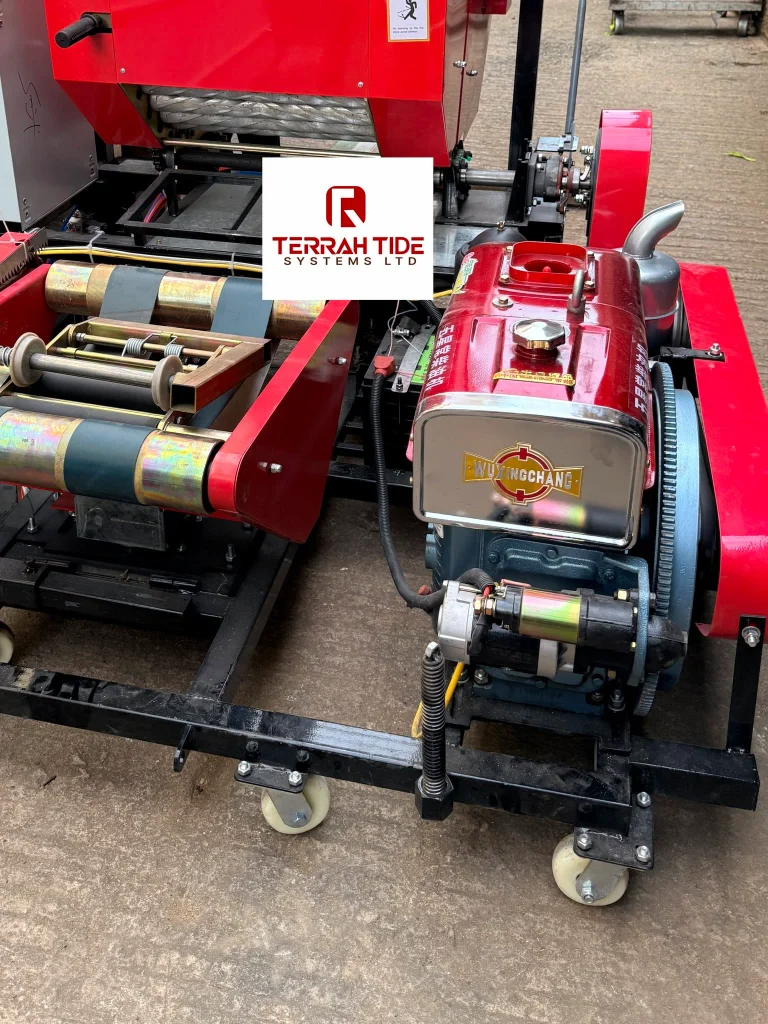
A silage baler is a machine used to compress harvested forage into bales. Depending on the machine design, the forage is fed into the baler, compressed and formed into a bale before being wrapped for storage.
The objective is to create a dense, manageable package while reducing exposure to oxygen.
Silage preservation depends on creating suitable anaerobic conditions. Proper harvesting, chopping, compaction and sealing are therefore essential parts of the overall process. Research involving Kenyan smallholder dairy farmers has identified limited access to suitable equipment and technical knowledge as some of the challenges affecting silage quality.
Manual silage preparation can require considerable labour, particularly when large quantities of forage need to be processed within a short harvesting window.
A silage baler can help streamline the baling and packaging stage.
Compact bales are easier to handle, transport and distribute compared with loose forage.
This can be particularly useful for commercial dairy farms and farmers producing silage for sale.
Properly wrapped silage bales can provide a convenient method of storing preserved forage.
The quality of the final feed, however, depends on the entire ensiling process and not simply on the machine used.
Farmers who have sufficient forage supply and access to suitable equipment can explore silage production as an additional agribusiness opportunity.
Silage can be produced for the farm or, depending on local demand and business conditions, sold to other livestock farmers.
Capacity is one of the first things you should consider.
Ask:
A machine for a small farm may have different requirements from equipment intended for commercial silage production.
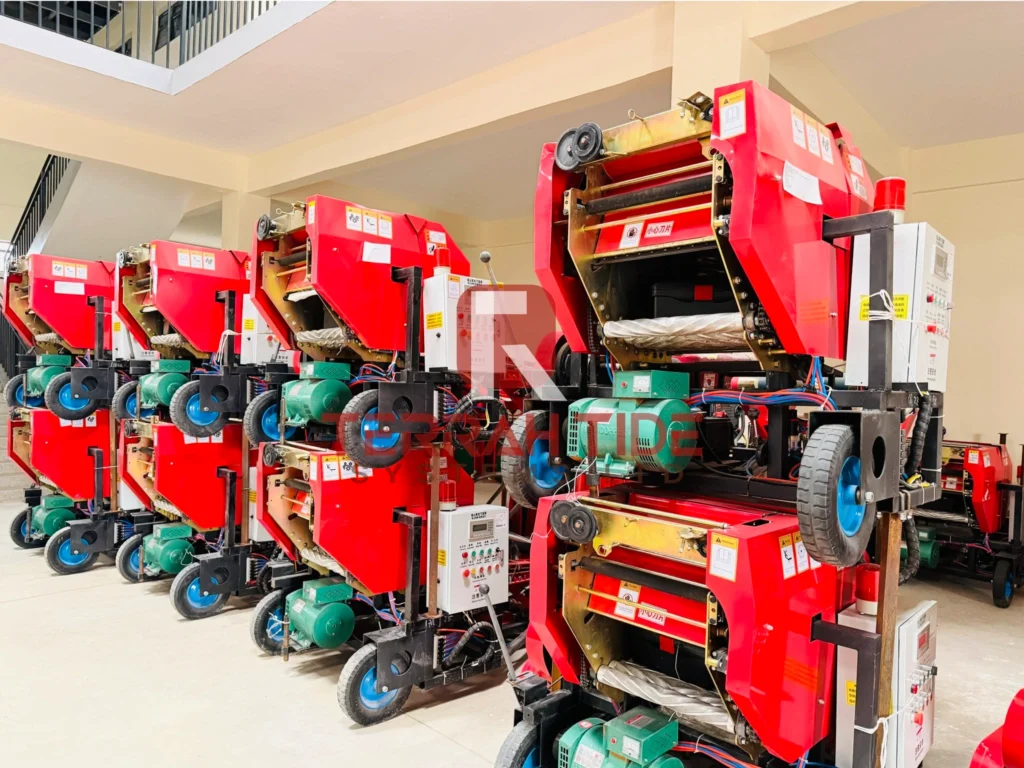
The engine is another important consideration.
Before purchasing, check:
For farmers operating away from major towns, access to servicing and spare parts should be considered before making a purchase.
Different machines produce different bale sizes and weights.
Consider the type of bale that will be convenient for:
The ideal bale size depends on your farm’s feeding and handling system.
A good silage baling system should provide effective wrapping and sealing.
The purpose of wrapping is to limit oxygen exposure and create the conditions necessary for fermentation.
Make sure you understand the type and availability of compatible silage films and wrapping materials before purchasing.
You can learn more about Silage Films and Wrapping Nets through Terrah Tide Systems.
Buying agricultural machinery is not only about the initial purchase.
Ask your supplier about:
At Terrah Tide Systems, customers purchasing a silage baler can have the machine tested at their premises or farm to help ensure they understand its operation.
The price of a silage baler depends on factors such as:
Rather than choosing a machine based only on the lowest purchase price, farmers should consider the total cost of ownership and whether the equipment matches their production requirements.
For small quantities, manual methods may appear more affordable. However, as forage volumes increase, labour requirements can become significant.
A mechanised system can help farmers process larger quantities more efficiently during harvesting.
This is particularly important because the timing of harvesting and processing can influence silage quality.
The right silage baler depends on your farm size, forage production, expected output, available labour and intended use.
Before buying, speak to a supplier who can explain the machine specifications and demonstrate how the equipment works.
Looking for a silage baler in Kenya?
Visit the Terrah Tide Systems website to explore agricultural machinery, silage equipment, packing nets, silage films and other farming solutions.
You can also contact Terrah Tide Systems to discuss your requirements.
Follow Terrah Tide Systems on social media: